
Replacing a whole roof lantern is usually building work that must meet the building regulations, while repairs and glass-only replacement in a sound existing frame generally don't need approval. The process differs in England, Wales, Scotland and Northern Ireland, and enlarging the opening or working on a listed building brings extra requirements everywhere.
What's the short answer?
Repairs generally don't need approval, a whole replacement usually does, and a bigger opening always needs more. The table gives the general picture, but rules change and local interpretation varies, so always confirm with your building control body before work starts.
| Work | General position |
|---|---|
| Reseal, new gaskets or cappings, vent repair | Repair: generally no approval needed in any UK nation |
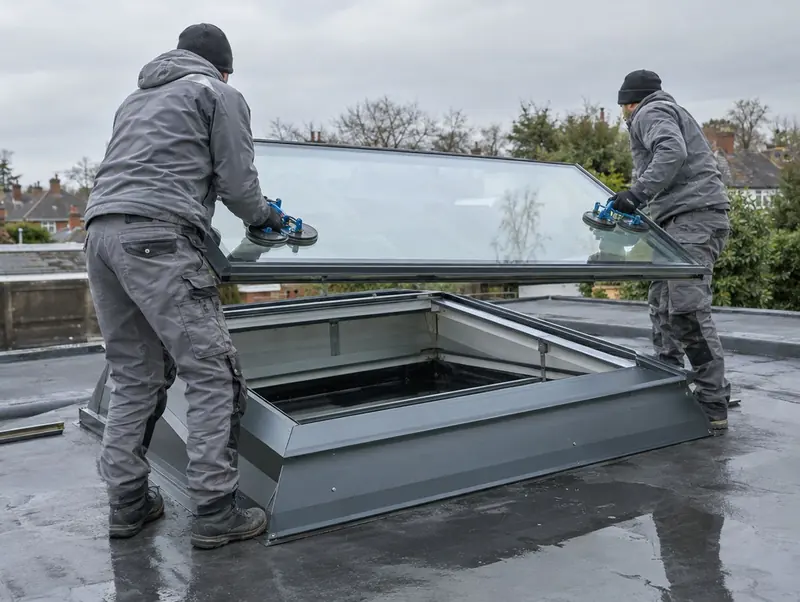
| Replacing glass units in the existing frame | Generally treated as a repair, but check locally |
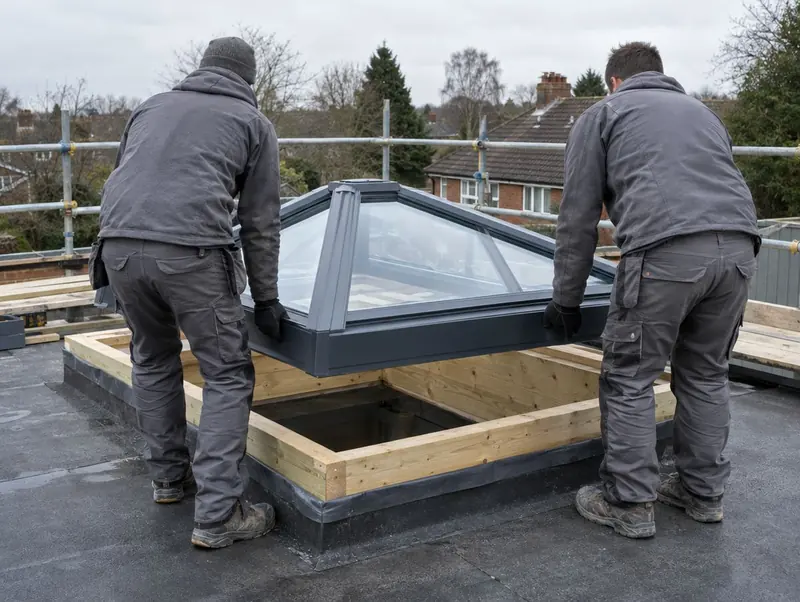
| Replacing the whole lantern, same size | Must meet current standards; route differs by nation |
| Enlarging the opening or altering the roof structure | Approval or a building warrant needed |
| Any work to a listed building | Listed building consent may be needed in all four nations |
What are the rules in England?
In England, roof lanterns fall under the Building Regulations 2010, with practical guidance in the Approved Documents, chiefly L (energy efficiency) and K (protection from falling, collision and impact). A rooflight is a controlled fitting, so replacing the whole lantern must comply and must be notified to a building control body, unless the installer is registered with a competent person scheme for rooflights that can self-certify the work. FENSA and CERTASS are examples of such schemes. Approved Document L sets a limiting U-value for a replacement rooflight and expects it to be no worse than the one it replaces.
Replacing only the glass in a sound existing frame is generally not notifiable: the Planning Portal says the regulations won't normally apply to work such as replacing broken glass. Government householder guidance also lists glazing units among replacements to notify, though, so if you're unsure, check with building control before the work.
Enlarging the opening, cutting joists or adding weight the roof wasn't designed for is structural work that needs approval.
What are the rules in Wales?
Wales has applied its own version of the Building Regulations 2010 since building regulations were devolved, with separate Welsh Approved Documents, so English guidance shouldn't be assumed to match. Welsh Government guidance treats an external window as a controlled fitting and applies the regulations to replacement glazing. For rooflights it says approval will generally be needed for a new one, because of structure, insulation, fire performance near boundaries and ventilation, and it points homeowners towards installers registered with a competent person scheme for replacement rooflights. Welsh guidance doesn't separately address glass-only swaps in an existing frame, so ask your council's building control team if you're replacing units rather than the whole lantern.
What are the rules in Scotland?
Scotland uses a different system: the Building (Scotland) Regulations 2004, with the Building Standards Technical Handbooks and building warrants issued through the local authority. Schedule 3 of the regulations lists work that doesn't need a warrant, and section 0.5 of the 2022 Technical Handbook explains it:
- Type 20 – replacing a rooflight where the work includes replacing the frame. No warrant is needed, but the new lantern must meet the current standards in full.
- Type 26 – any other work to a rooflight, including glazing. No warrant is needed, provided the result is no worse than what was there before.
So a like-for-like lantern replacement in Scotland generally doesn't need a warrant but must still comply, while altering the roof structure to enlarge the opening is likely to. If in doubt, ask your local authority's building standards team.
What are the rules in Northern Ireland?
Northern Ireland has the Building Regulations (Northern Ireland) 2012, supported by Technical Booklets and enforced by the building control service of each district council. The regulations define a window to include framing and glazing set in a roof opening, and treat the replacement of windows as a structural alteration unless the new ones have essentially similar features. In practice, council guidance indicates that replacing windows doesn't need an application where there's no structural alteration, such as a larger opening. A lantern of a different size or design, or any structural work, needs approval, and requirements are interpreted locally, so check with your council's building control before ordering.
What if the building is listed?
Listed building consent is a separate permission from building regulations, and it can be needed in all four nations. In England and Wales, consent is needed for work that affects a listed building's character, and Cadw notes that even minor work can be covered. Historic Environment Scotland advises that changing windows and doors almost certainly needs consent, and in Northern Ireland you can't alter a listed building without consent from the council. Like-for-like repairs are less likely to need consent, but always speak to the council's conservation officer first, as unauthorised works can be a criminal offence.
What paperwork should you keep?
Keep the completion certificate from building control or the self-certification certificate from a competent person scheme for any whole replacement, plus the glass and frame specifications. Solicitors ask for these when a house is sold. For repairs, a written description of the work and the glass specification is useful if questions come up later.
How do you get a guide price?
Whether you need a glass swap such as misted unit replacement or cracked glass replacement, or a full roof lantern replacement, send photos for a free guide price or use the guide-price tool. The fixed price is confirmed in writing before any work starts, and we'll flag where approval or consent is likely to be needed.
Quick answers
Does replacing a misted glass unit in my roof lantern need building regulations approval?
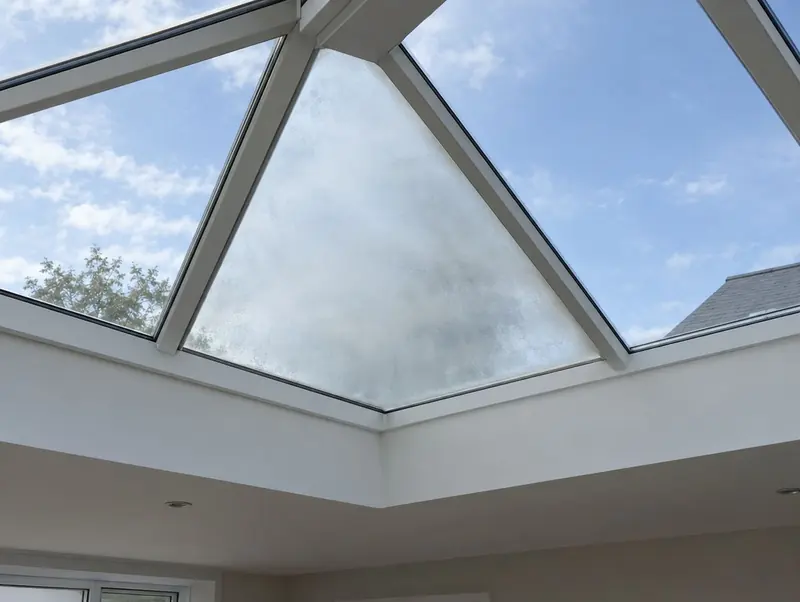
In most cases it's treated as a repair and doesn't need approval, as long as the frame stays and the new unit is no worse than the old one. Rules and interpretation differ between nations and councils, so check with building control if you're unsure.
Do I need planning permission to replace a roof lantern?
Planning permission is a separate question. A like-for-like replacement doesn't usually need it, but ask your local planning authority if the building is listed, in a conservation area, or the new lantern will be noticeably larger or taller.
What is a competent person scheme?
It's a government-authorised scheme that lets registered installers in England and Wales self-certify that certain work complies with the building regulations, instead of the homeowner applying to building control. The installer notifies the council and the homeowner receives a certificate.
Does Scotland need a building warrant to replace a roof lantern?
A straight replacement that includes the frame generally doesn't need a warrant under schedule 3 type 20, but it must still meet the current building standards in full. Enlarging the opening or altering the roof structure is a different matter.
Sources
- Explore the Interactive House: windows and doors – building regulations – Planning Portal
- Building regulations: roof: further information: roof lights – GOV.WALES
- Building standards technical handbook 2022: domestic – 0.5 Buildings, work, services, fittings and equipment not requiring a warrant – gov.scot
- The Building Regulations (Northern Ireland) 2012, regulation 2 – legislation.gov.uk
Written by the Roof Lantern Repairs team. Last updated 19 October 2026.